
In Vivo NeuroGenomics
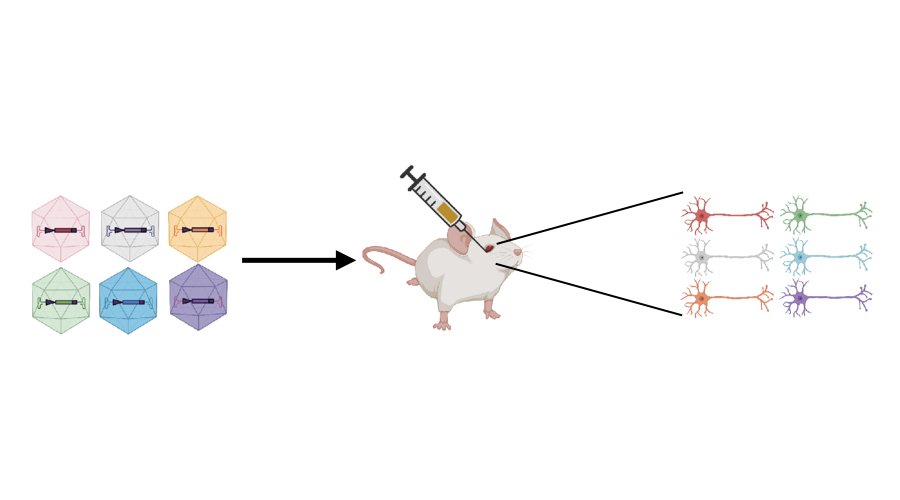
We engineer and apply next‑generation sequencing strategies, ranging from pooled CRISPR screens to deep mutational scanning, directly within the living brain. These platforms let us profile thousands of genetic perturbations in parallel while preserving native circuitry and behavior. By coupling molecular readouts with calcium imaging and optogenetics, we map how gene function shapes real‑time neural dynamics underlying memory.
Responsible/Interpretable AI for Science
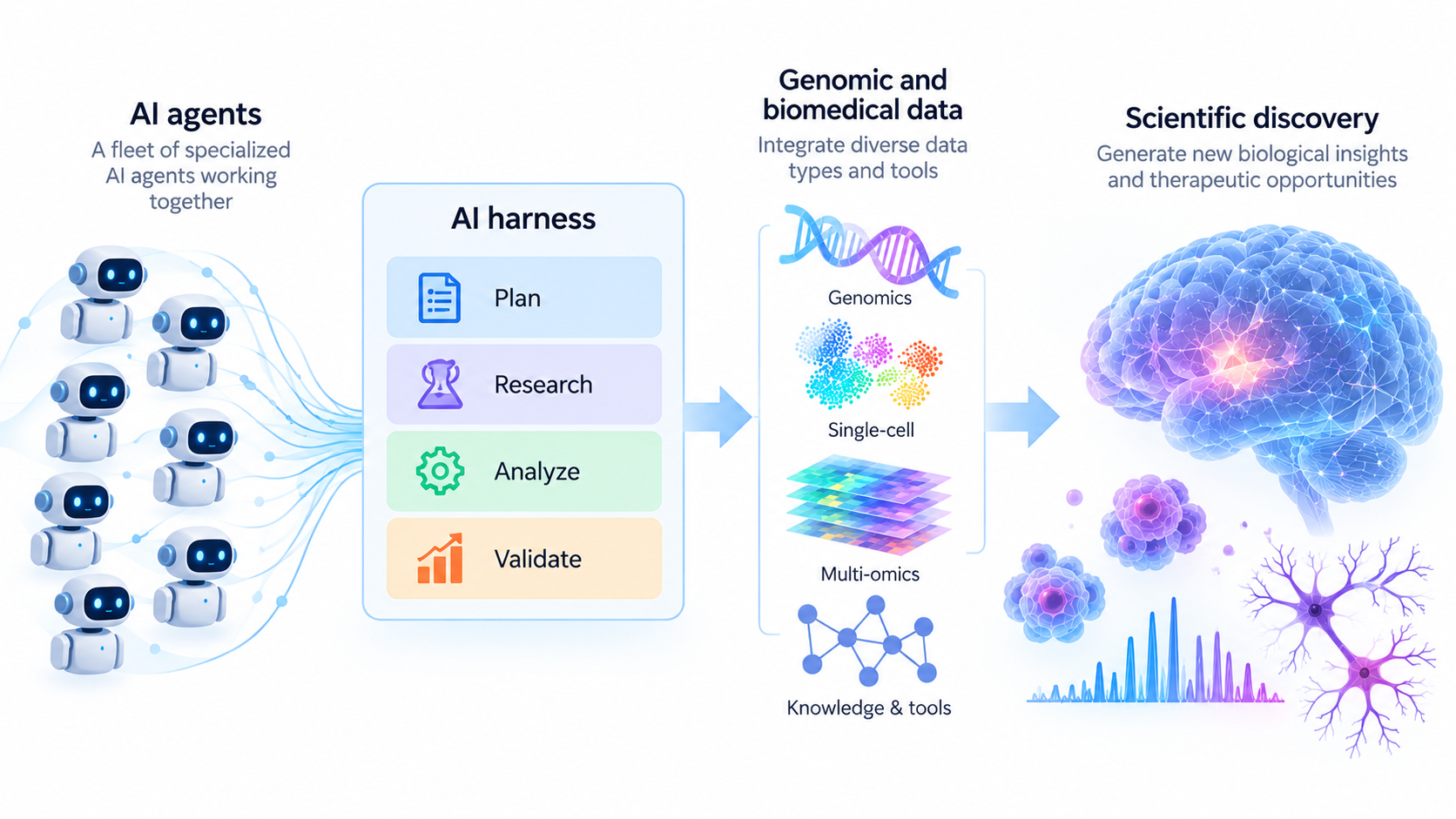
We are building AI systems that combine fleets of specialized agents with carefully engineered scientific harnesses to accelerate biological discovery. These systems autonomously interrogate large functional-genomic datasets, develop and test predictive models, and iteratively refine scientific hypotheses under human oversight. One example is our recent participation in the Virtual Cell Challenge, where we used a multi-agent system to approach complex biological questions and explore the potential of AI to drive scientific discovery. Our broader goal is to develop AI that functions as a rigorous scientific collaborator, to help uncover biological rules and generate discoveries that conventional workflows may miss.
Endogenous Mechanisms Linking Brain Injury and Vascular Stress to Dementia
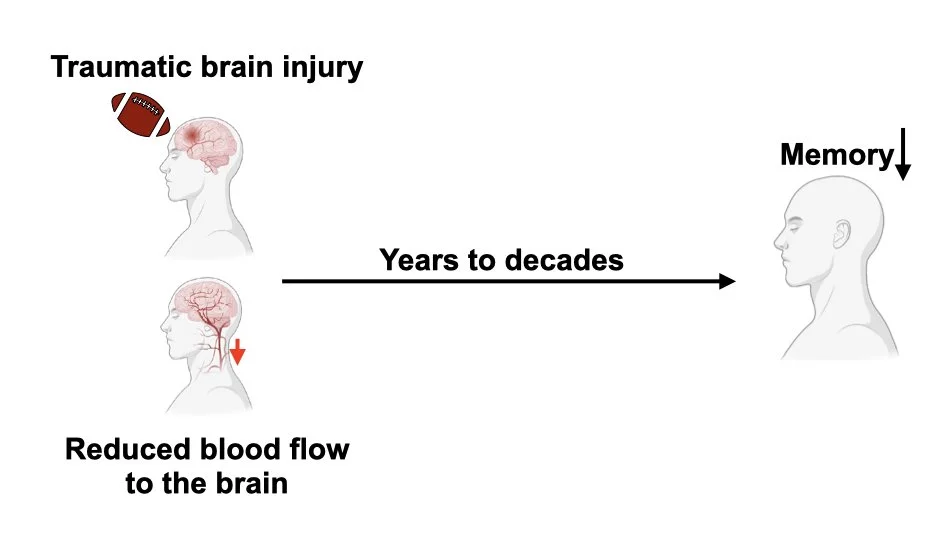
Traumatic brain injury and cerebral hypoperfusion trigger a cascade of adaptive and maladaptive responses that quietly unfold over years. We combine longitudinal in‑vivo imaging, single‑cell multi‑omics, and circuit‑level manipulations to determine the early molecular mechanisms that steer outcomes toward resilience or degeneration. Identifying these inflection points may reveal predictive biomarkers and therapeutic windows decades before cognitive decline.
Pathogenic tau and Alzheimer’s disease
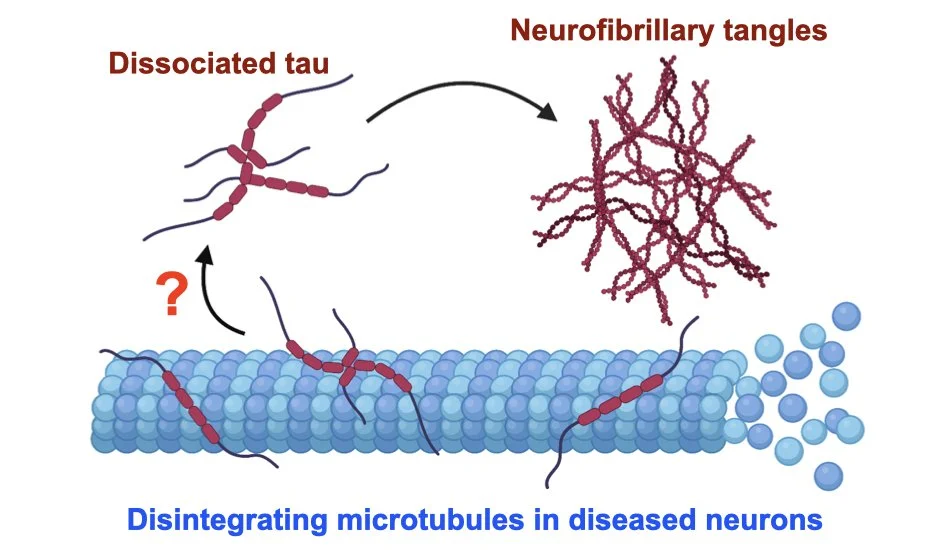
Long before neurofibrillary tangles appear, soluble tau sow the seeds of neurodegeneration. We dissect how alternative splicing, post‑translational modifications, and intron‑retention–driven truncations create toxic tau conformers. Using functional genomics and structure‑guided mutagenesis, we determine which species initiate synaptic dysfunction and how they spread across networks.